
The mission was ambitious: empower 200 “Bamboo Mamas” with the skills to build a drip irrigation system using bamboo, a plant that grows in abundance in their locale. This bamboo-based drip irrigation system is a vital tool for climate resilience across eight remote regencies in East Nusa Tenggara.
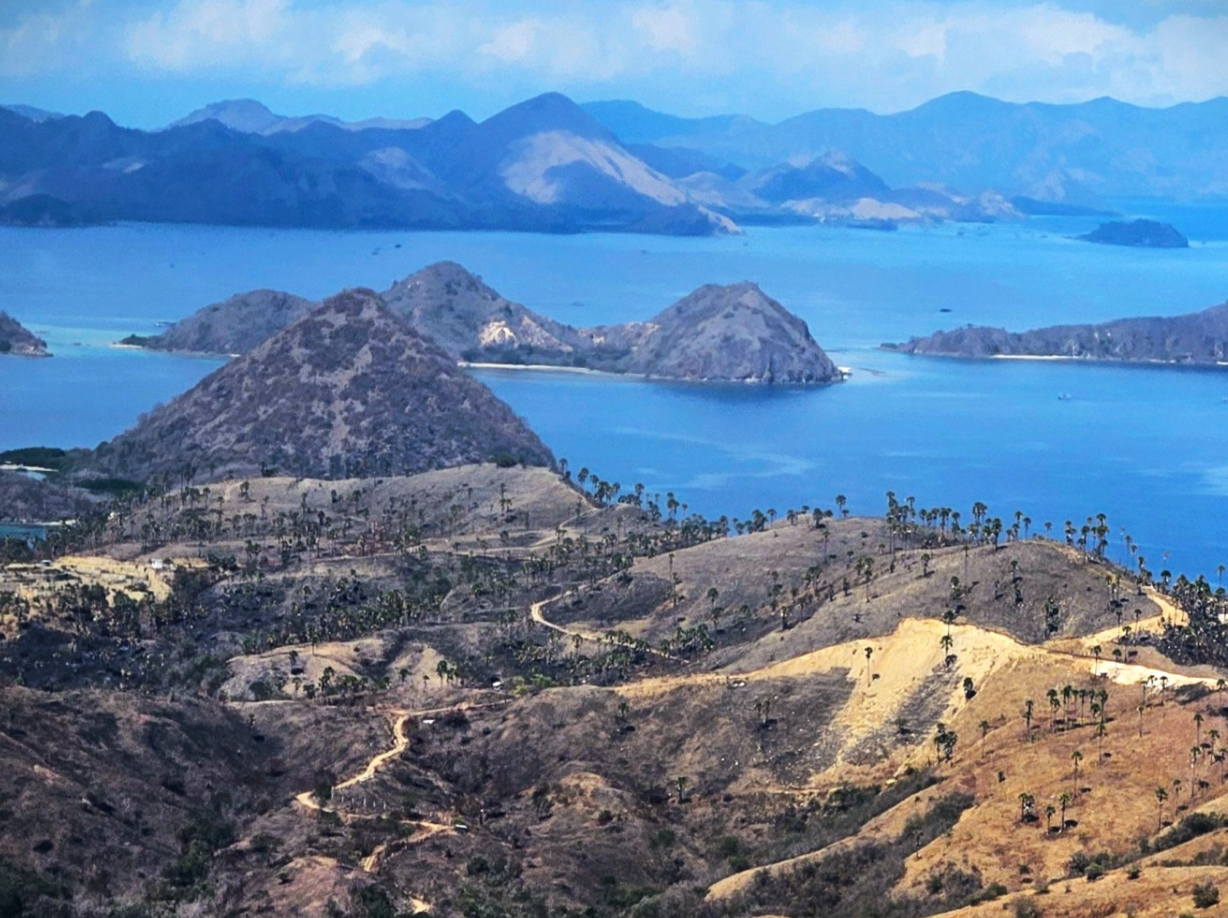
Photograph by Yuventius Nicky, “Arid Labuan”, Labuan Bajo 2024
To understand the urgency of this mission, one must understand the chosen province. East Nusa Tenggara is a region of stark beauty and starker realities. It is a landscape defined by prolonged dry spells and poor infrastructure. For many communities here, drought is not a once-in-a-while disaster but a predictable and recurring reality they face year after year.
Even when water is available, it often comes with challenging access. The villagers I have spoken to mentioned having to walk a considerable distance to collect water in jerry cans. Sure, sometimes they can buy fresh water from water trucks, but the cost adds up, and it puts a burden on their already tight budget. Water scarcity in ENT is not an inconvenience; it’s a fundamental threat to agricultural livelihoods. The search for innovative, water-saving solutions is, therefore, a critical priority.
Within this challenging context, our work began—not in the fields with the farmers, but with two days of painstaking preparation in August 2024. In the verdant hills of Ngada we conducted our pre-training workshop, a crucible where abstract project goals were hammered into a practical, tangible, and culturally resonant curriculum.
Our team was a microcosm of the project itself: a blend of project managers, coordinators, and monitoring experts tasked with delivering a successful program. But the true anchors of the workshop, the keepers of the essential knowledge, were Mama Walburga and Mama Petronela, our lead instructors.
Mamas and their Heritage
Mama Petronela (she goes by Mama Nella) is quiet but industrious. Having grandchildren has not stopped her from being a productive farmer. She understands the struggle of water scarcity all too well. Because her village, Turekisa, is on top of a hill, it does not have access to the municipal water system. There is a well, but one has to walk 15 minutes downhill. Imagine the hike back home with two jerry cans full of water. She has no convenient option other than buying fresh water from water trucks for all of her household needs. Mama Walburga (she goes by Mama Waldé), who lives a 5-minute walk away from Mama Nella, shares the same reality.

Photograph by Yuventius Nicky, “Mama Waldé showing her work”, Ngada 2024
With the challenges of accessing water, the villagers of Turekisa must be creative. They developed a drip irrigation system using bamboo stalks. This local innovation is built on the traditional knowledge of the people of Ngada. In the old days, locals who lived by the coastline would store their coconut oil in bamboo stalks. The modification of this practical heritage is simple but transformative: a hole is poked, plugged with a small cutting of bamboo, and the plug is screwed loose enough to let water drop. Thus, we have a single-hole drip irrigation system that is not only low-cost but also easy to make. This expertise is not recorded in academic journals but is embodied in a deep, intuitive understanding of the land and the hands-on reality of life in their communities.
The Syllabus
The first draft of a training syllabus is always an act of imagination. It lays out a logical path from A to B, but its true test comes when it meets the unwritten wisdom of lived experience. In our preparatory workshop, Mama Walburga and Mama Petronela took the structured draft and breathed life into it. They provided invaluable, granular feedback on what would resonate, what would be confusing, and what would truly empower the women we aimed to serve. For example, they gently pointed out that our proposed syllabus did not consider the drip irrigation for band/furrow application for horticulture—a simple but crucial detail an outsider would easily overlook. So, the mamas designed a multihole system for vegetables. They were not just reviewing a document; they became our primary architects.
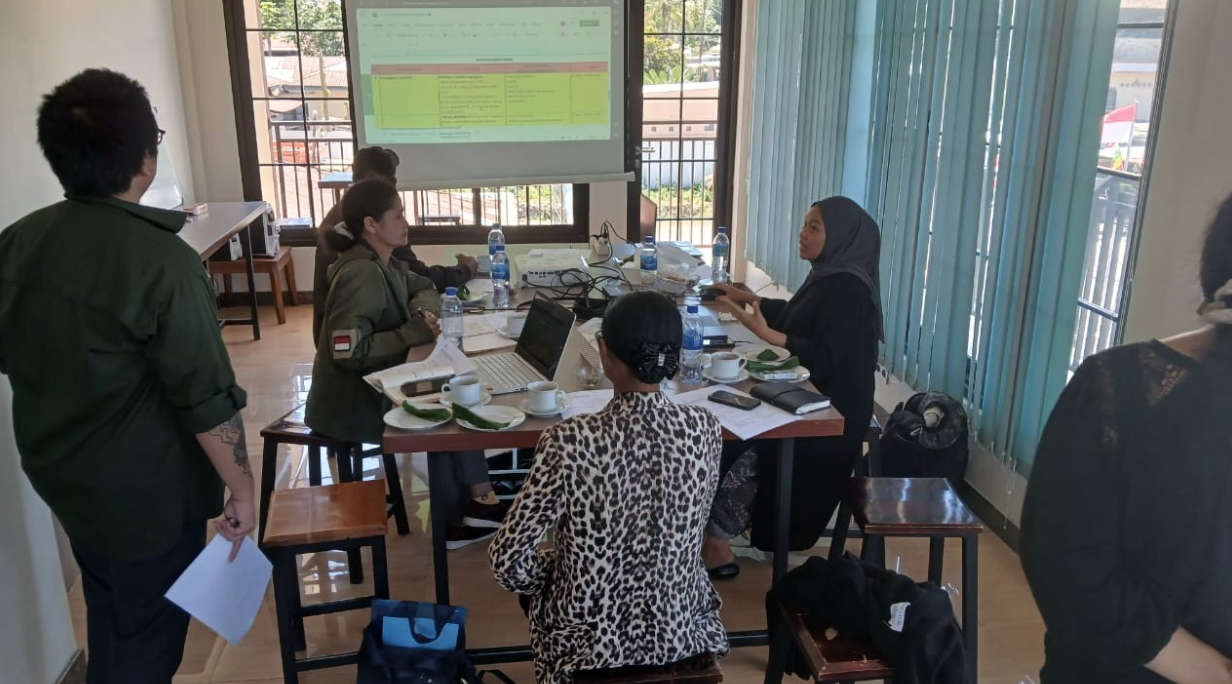
Photograph by Yopi, “The Workshop”, Ngada 2024
We didn’t just want to refine a syllabus; we wanted to re-envision our impact. We made the bold decision to increase our target from 140 to 200 women, driven by a shared desire to reach as many people as possible. We redesigned the hands-on sessions, breaking participants into small, supervised groups to ensure safety while using sharp tools. We even challenged our own budget, proposing to redirect funds from documentation toward the purchase of cut-resistant gloves and sharper tools—not as a handout, but as an investment in long-term community capacity.
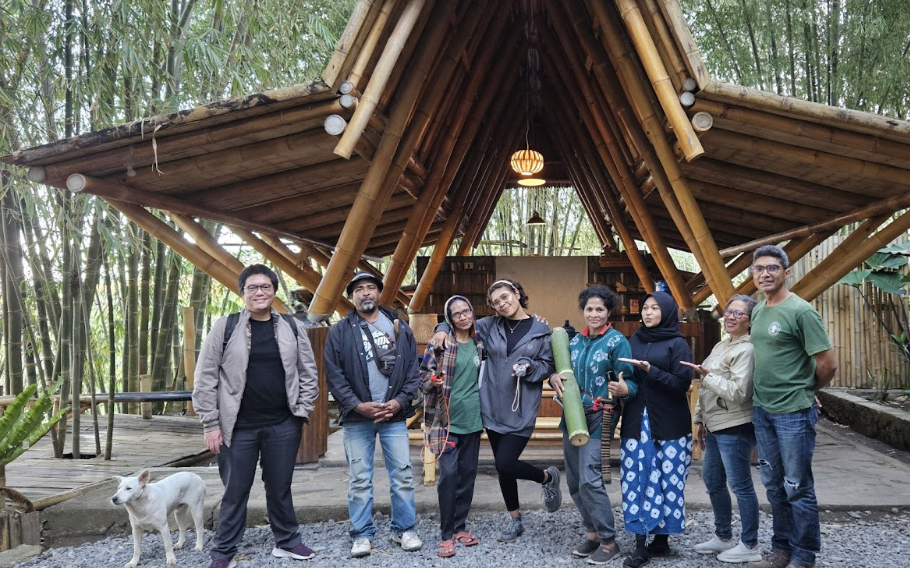
Photograph by Yuventius Nicky, “The Prep Team”, Ngada 2024
Those two days in Ngada affirmed a principle I have come to value deeply. A project’s success is determined not by the flurry of implementation, but by the quiet, grueling work of preparation. It is forged in the moments when office workhorses listen to practical, local wisdom.
My role was not just developing frameworks and managing charts, but also creating a space to stimulate the right questions and develop well-considered solutions with and for our stakeholders. The most resilient plans are not built in the isolated space of meeting rooms, but in the collaborative space that makes room for the different ways of knowing. It was a foundation that proved essential in the months that followed, as over 200 women began building not just irrigation systems, but a more resilient future for their communities.
(Yuventius Nicky)