We believe that every soil has its own story — and every land deserves a tailored solution. We don’t simply aim to produce and spread megatonnes of biochar into the ground; we aim to understand the land first. Through research, testing, and collaboration with farmers and local experts, we study the specific needs of each soil type before designing the right formulation and dosage of biochar. Our goal is to ensure that every gram of biochar we produce truly heals, enriches, and restores the soil it touches — turning science into impact, and innovation into regeneration.
Agriculture
For soil amendment, high carbon content in biochar is crucial for the long-term increase of soil organic matter, improvement of soil structure, water retention, and the provision of a sustainable habitat for beneficial soil microbes, thereby enhancing overall soil fertility and health.
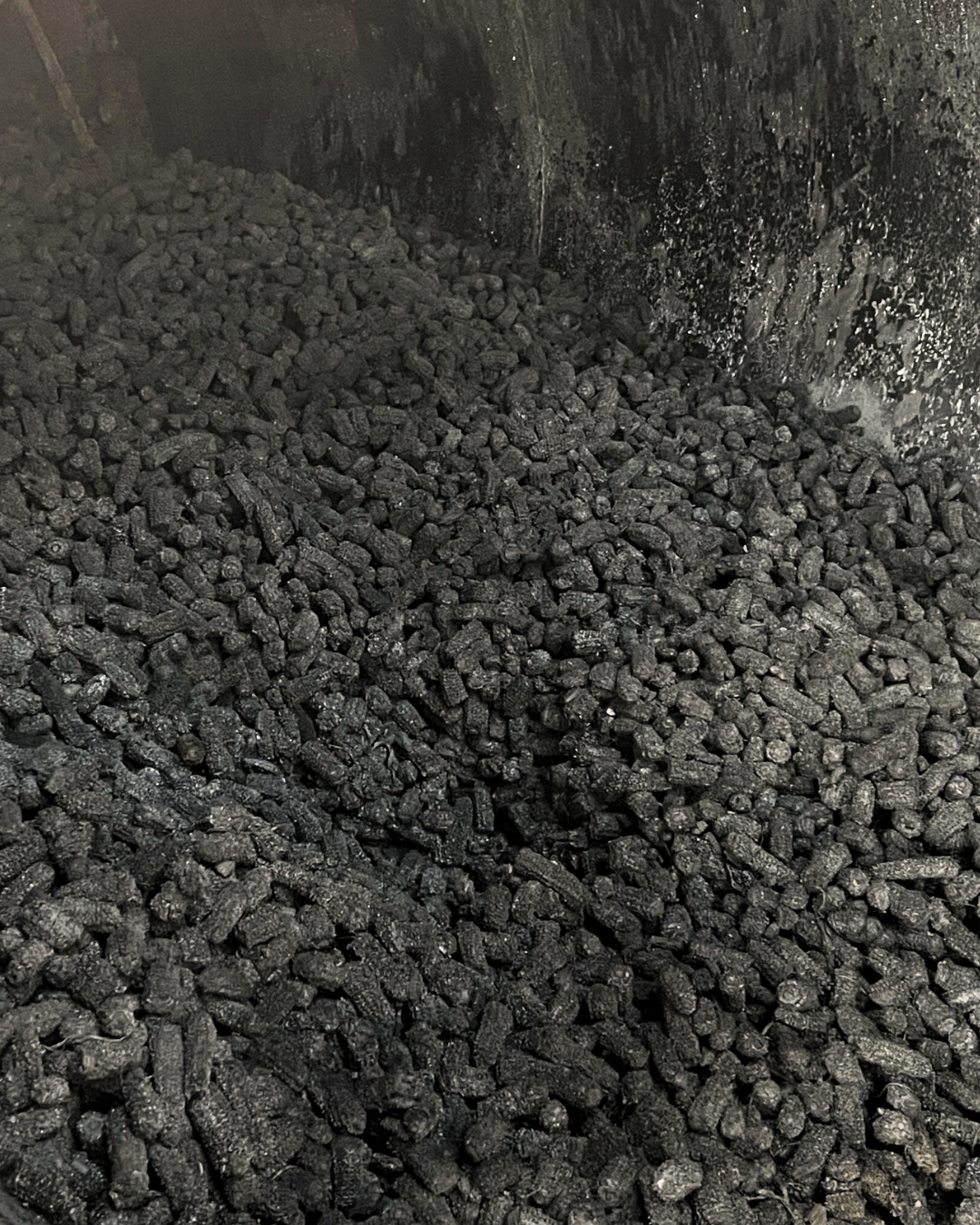
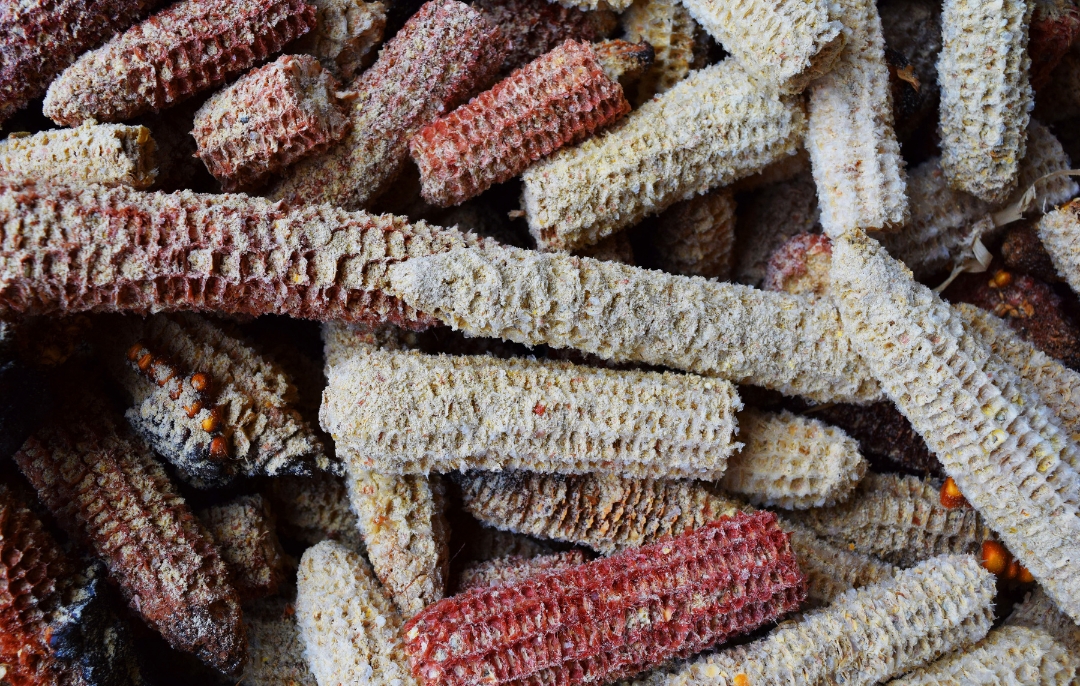
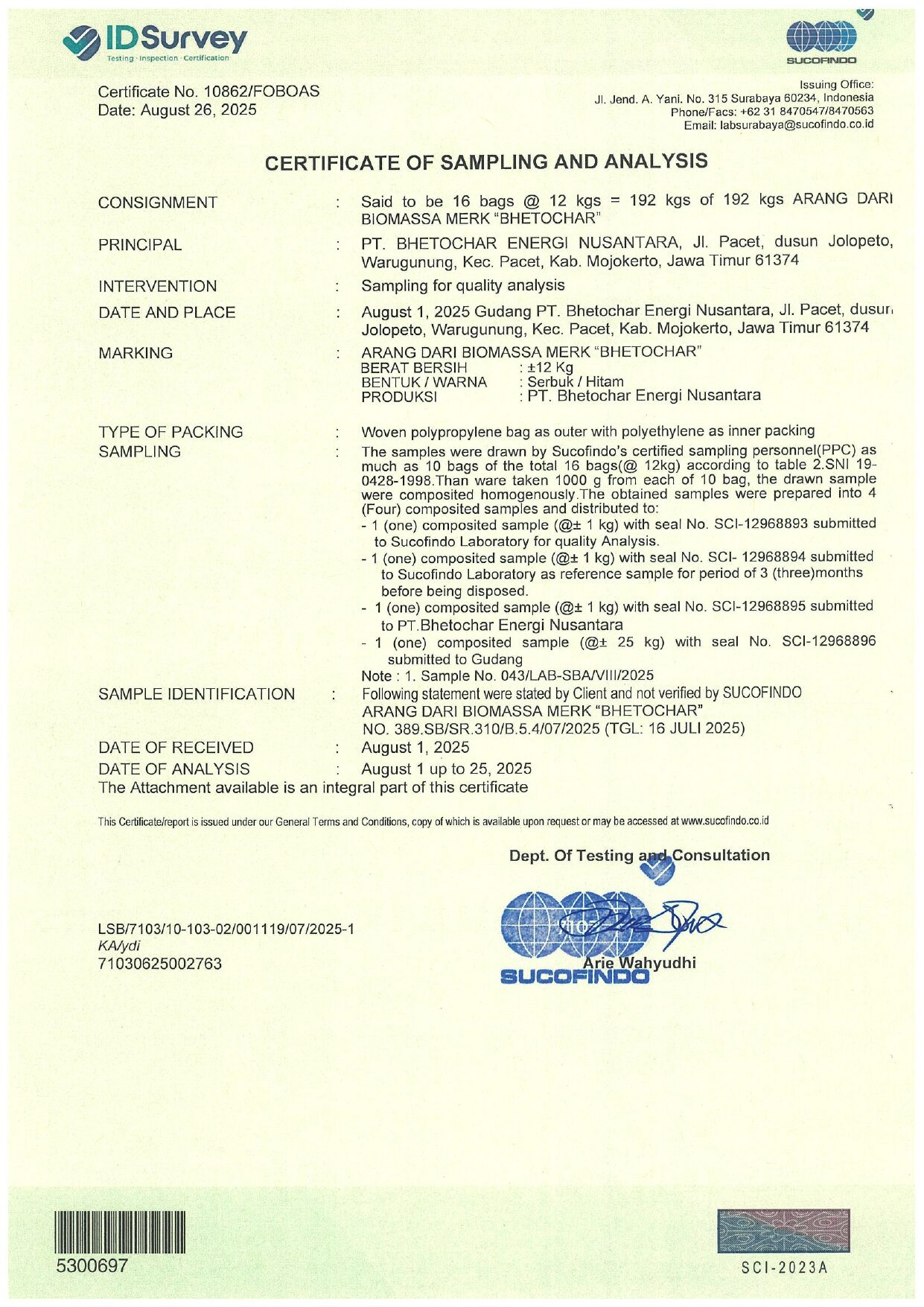
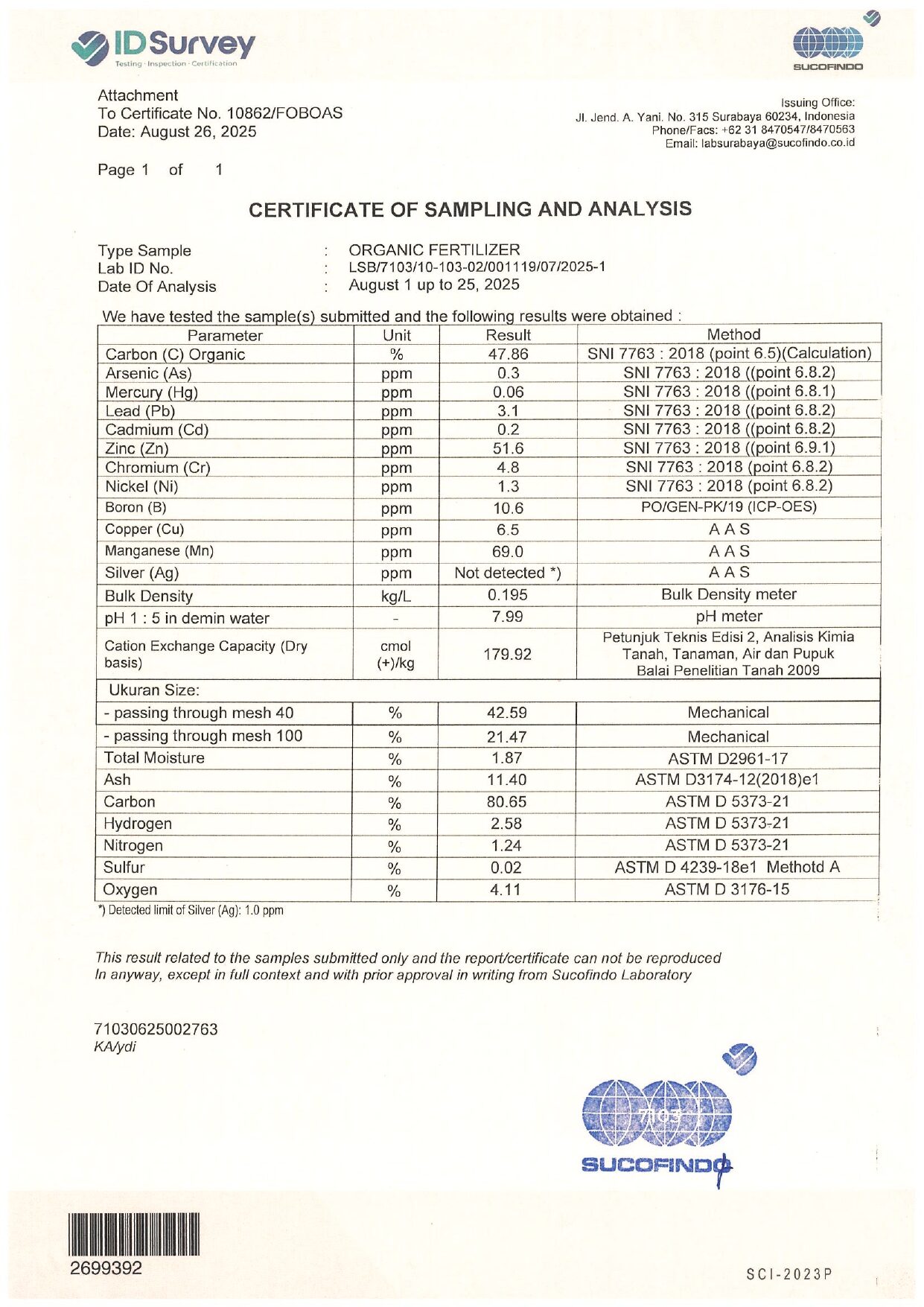
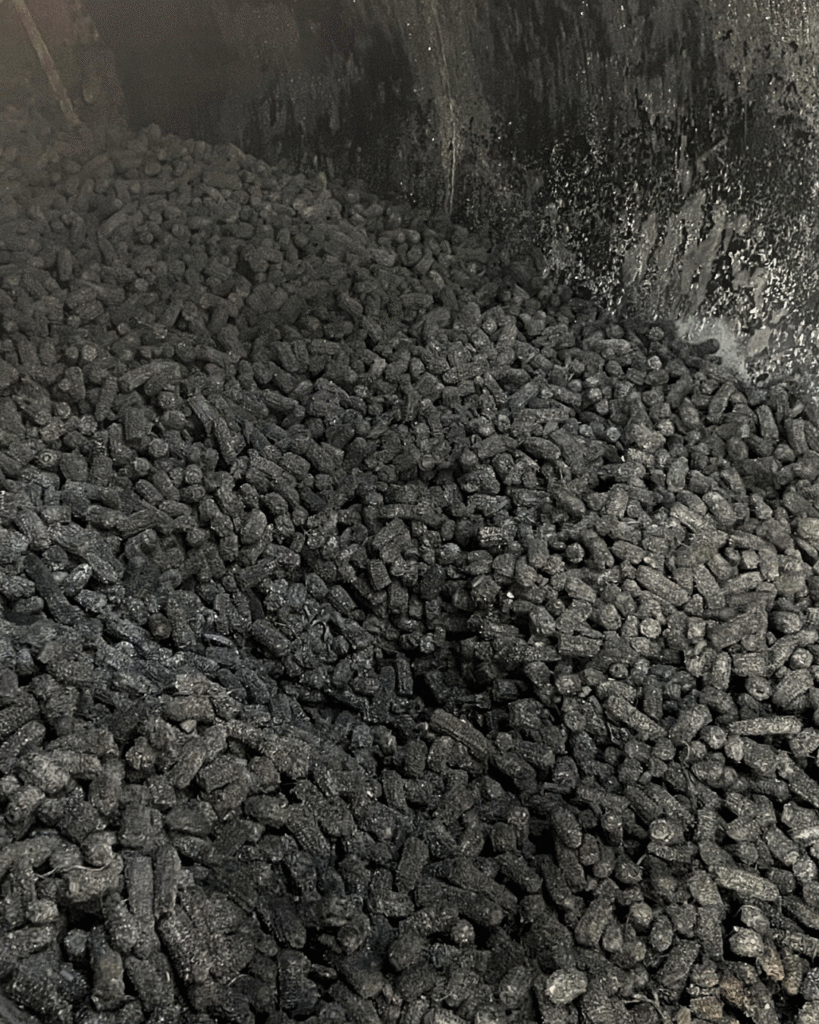
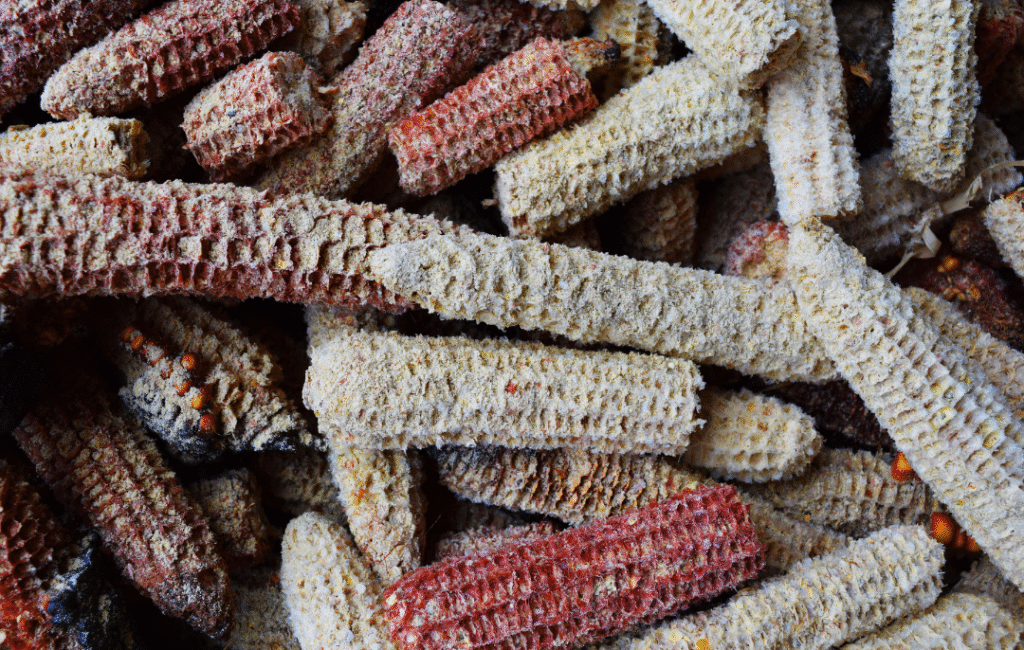
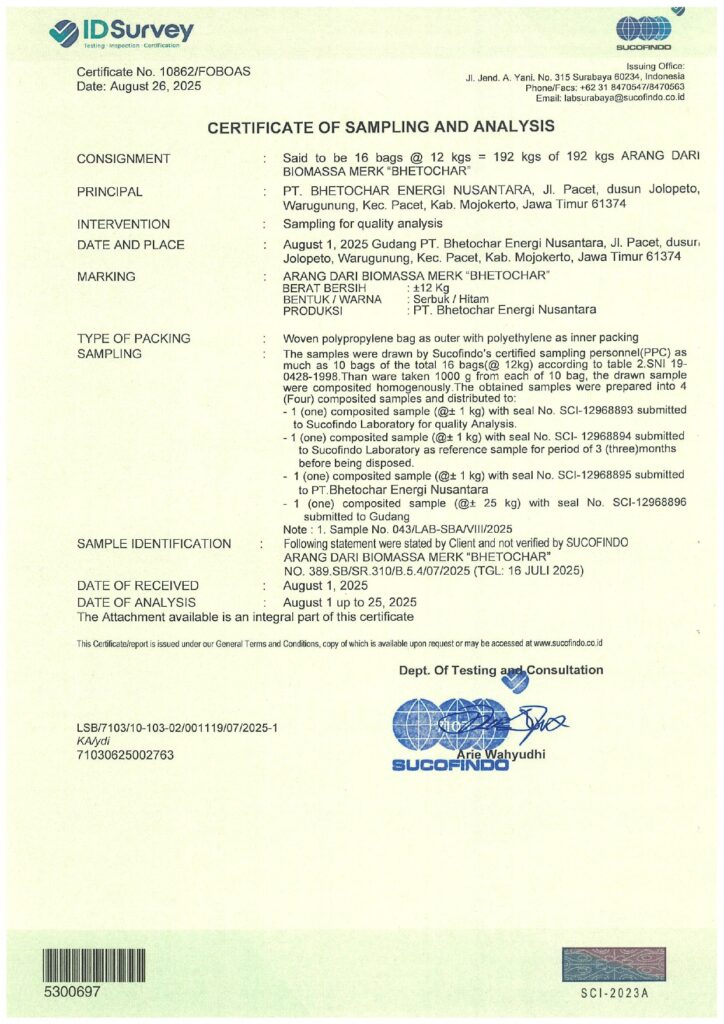
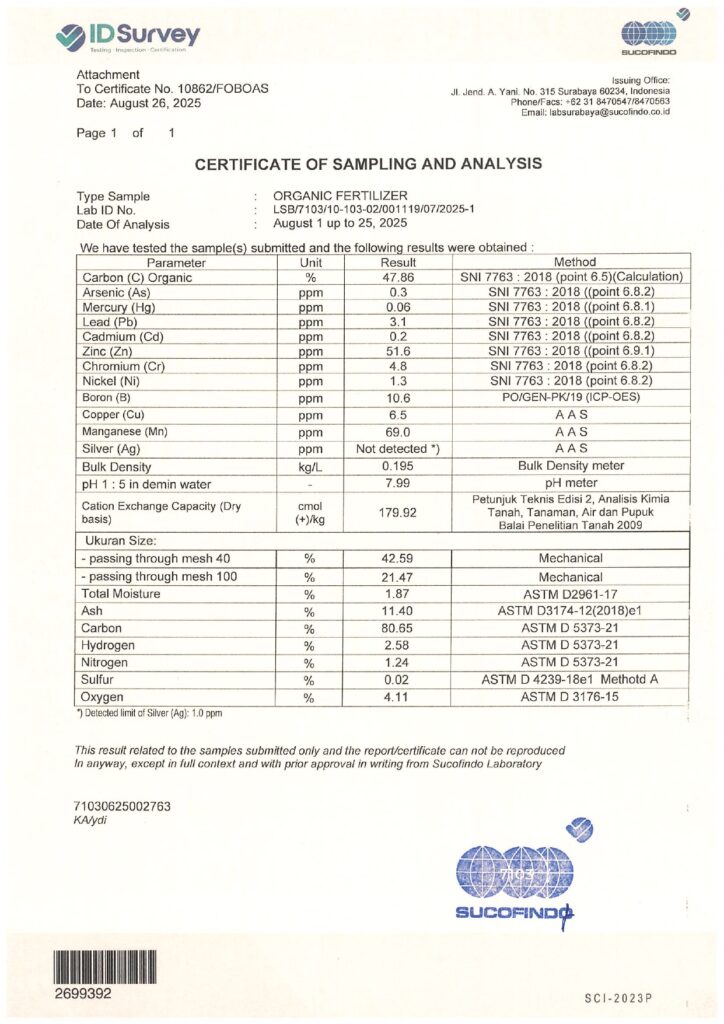
Our corn cob based biochar, with 80.65% total carbon (and 47.86% organic carbon), is a significant source of stable carbon. Made within a precision-engineered environment and derived from corn cob waste, this flagship product is used for high-performance soil amendment in agriculture.
Remediation
We offer biochar-based solutions for specific environmental applications, including erosion prevention and the remediation of contaminated soil in former oil/ gas mining sites and former mineral mining sites.
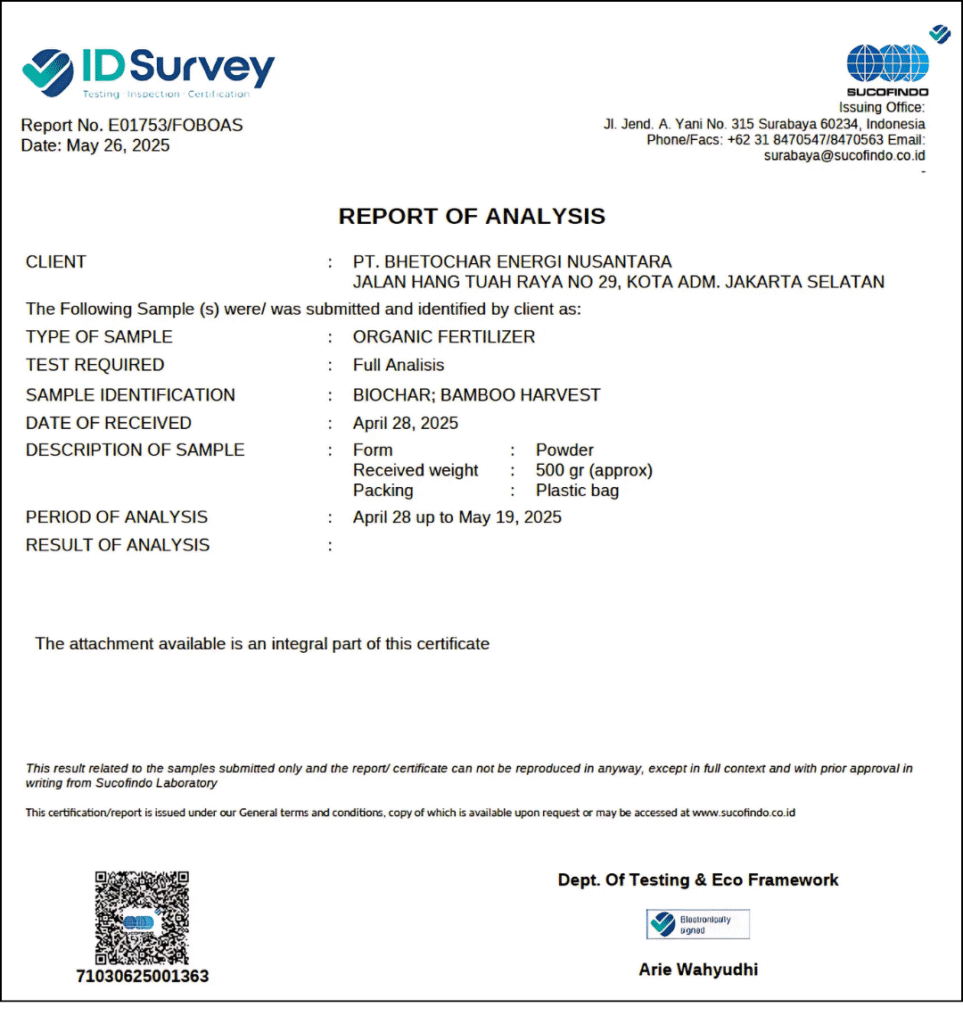
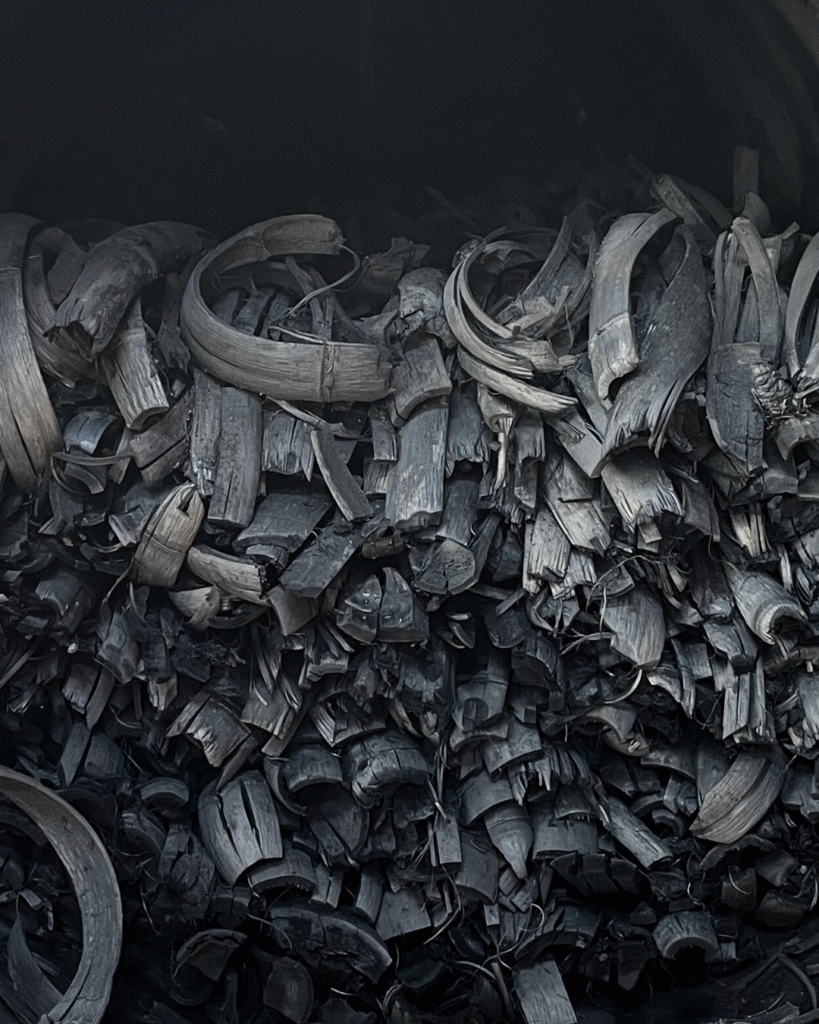
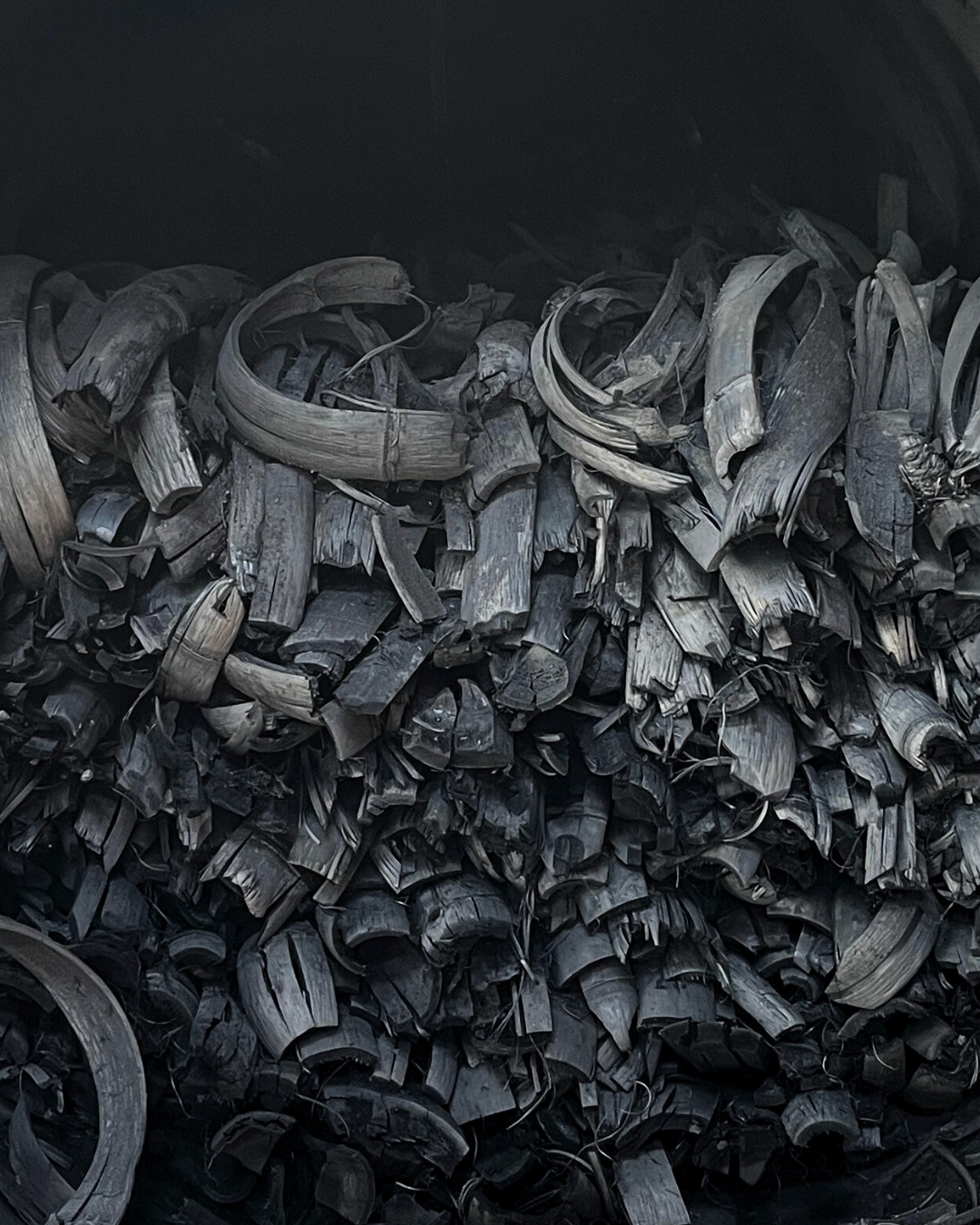
Bamboo biochar is known for its potential to achieve high carbon content, often ranging from 70% to over 90%, influenced by the bamboo species and pyrolysis parameters. Dendrocalamus species pyrolyzed at medium to high temperatures often show values at the upper end of this range.
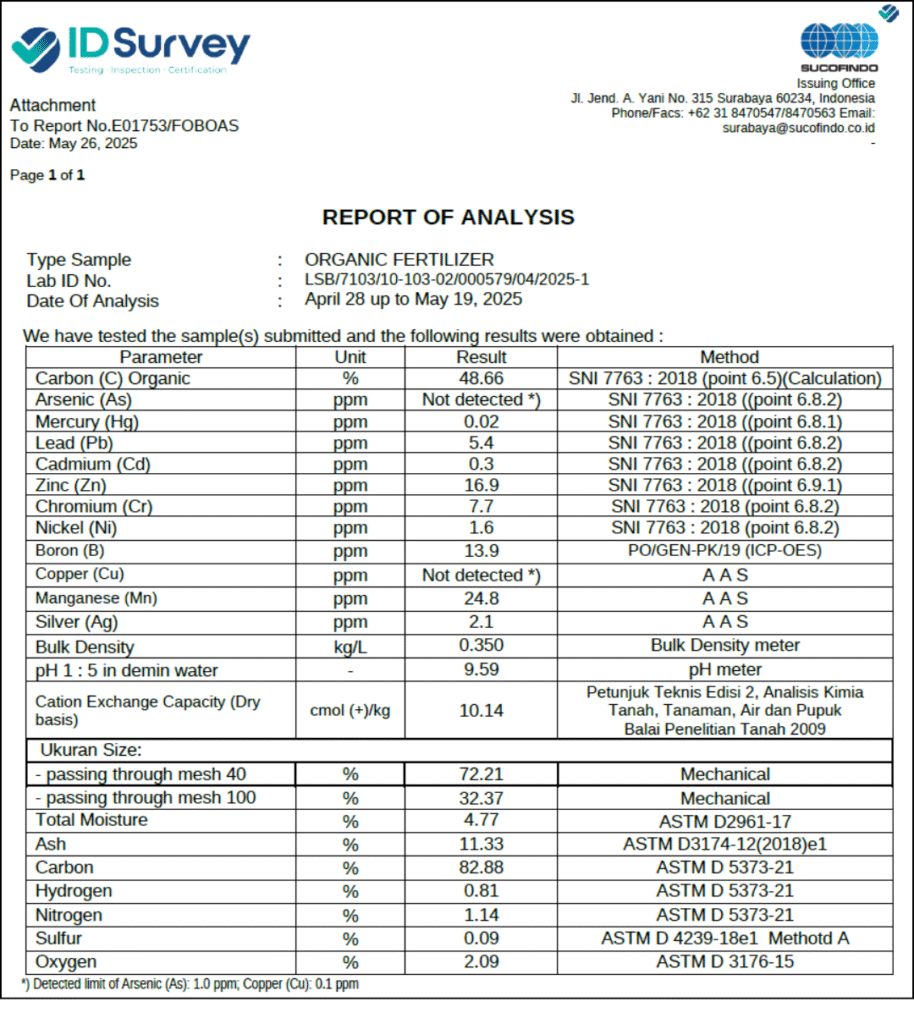
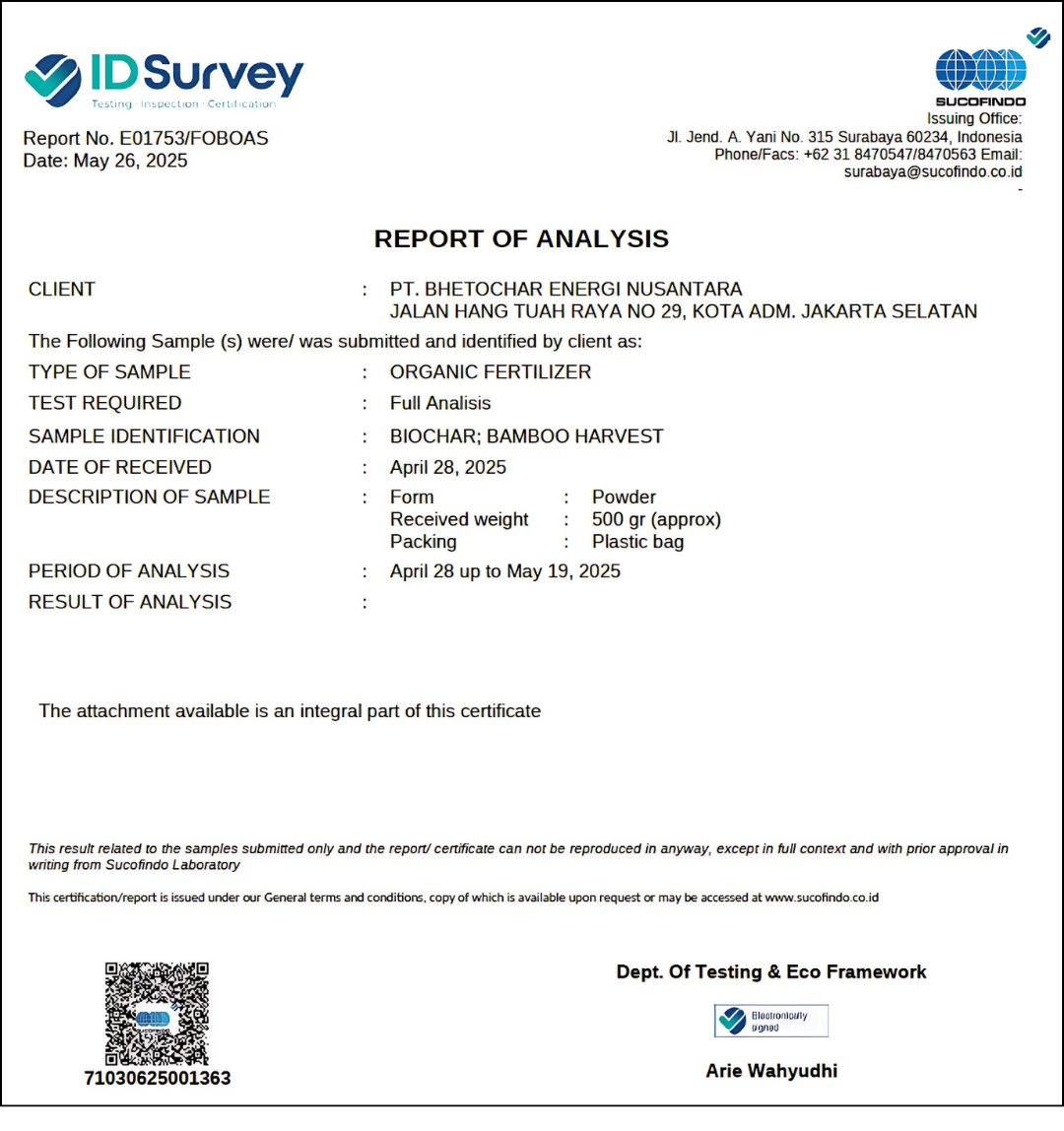
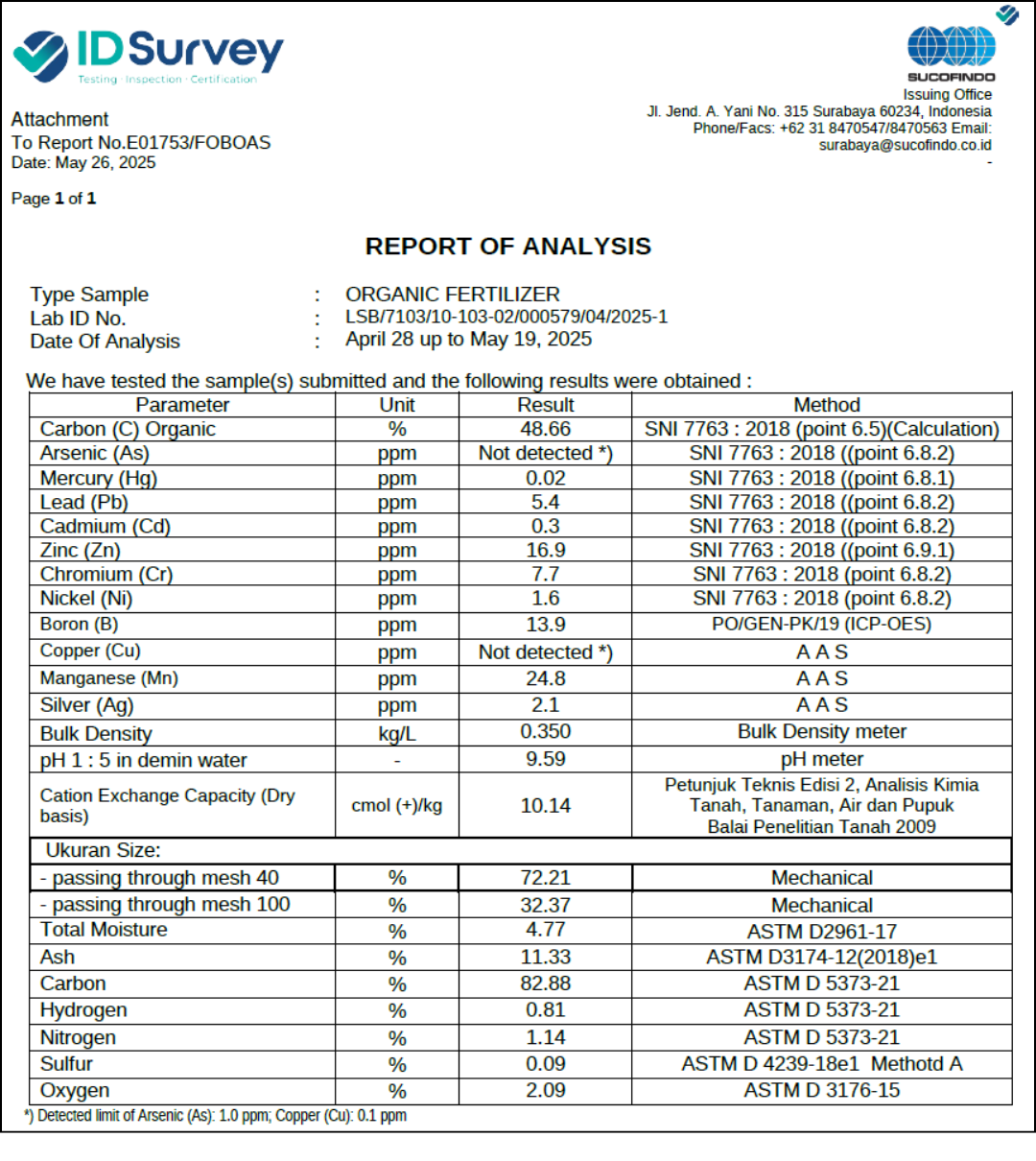
The 82.88% total carbon content (and 48.66% organic carbon) in our bamboo biochar indicates a highly carbon-rich material. For remediation applications, this high carbon content contributes to a greater number of active sites for adsorption and a more degradation-resistant (recalcitrant) structure, increasing its capacity to bind and immobilize contaminants in former mining or former oil and gas sites, thereby reducing their bioavailability and environmental impact.